How to Stock a Flower Vending Machine for More Sales and Less Waste
A practical guide to choosing bouquet sizes, setting stock levels and using sales data to run a refrigerated flower vending machine with fewer avoidable write-offs.
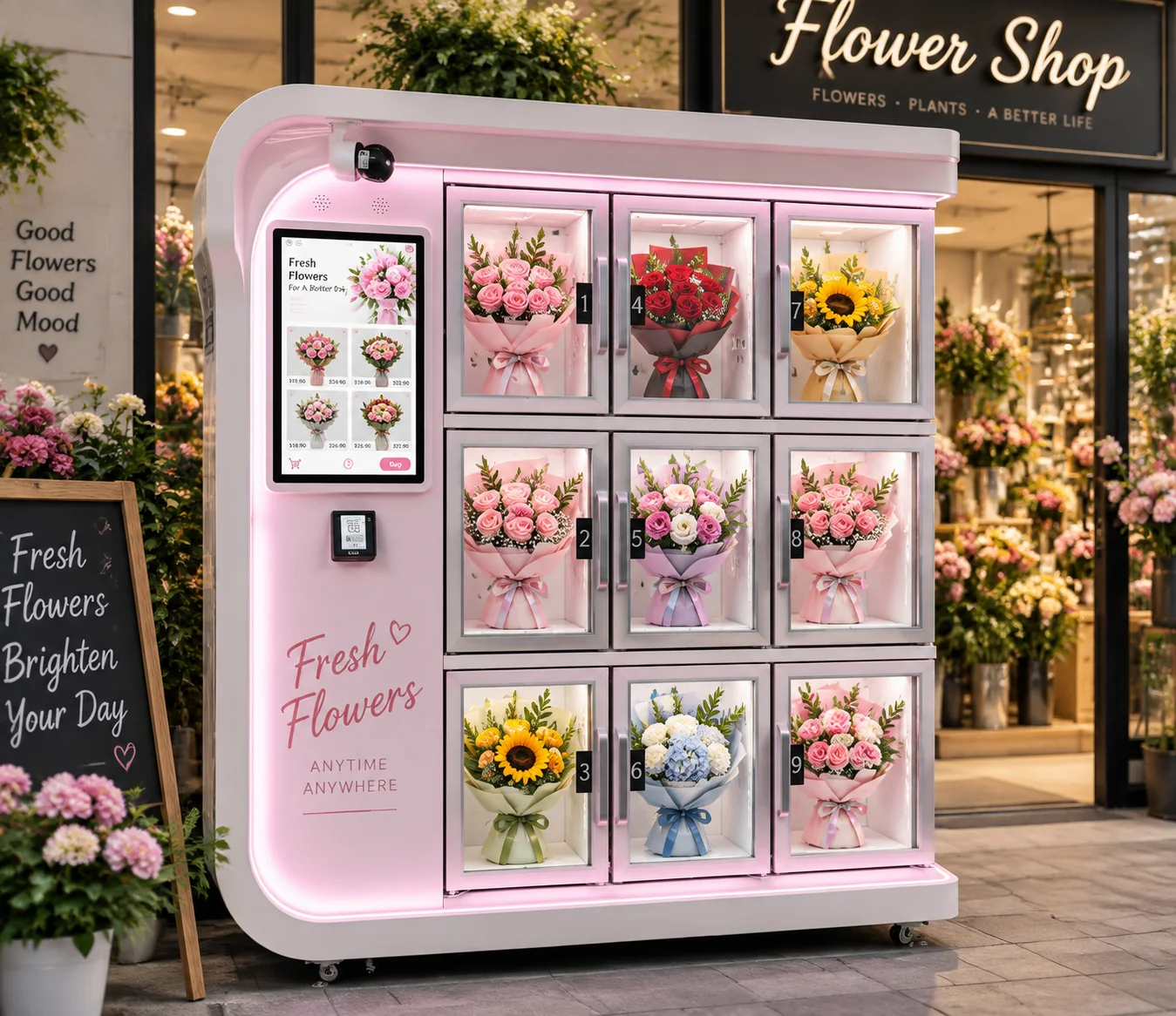
A flower vending machine works best when its assortment matches the customers passing it and the florist's ability to replenish it. Refrigeration supports the display, but stock selection and daily quality checks determine whether the cabinet offers an attractive gift when someone stops to buy.
For a florist adding a self-service sales point, the first goal should be a repeatable routine: prepare suitable bouquets, load them without damage, monitor what sells and remove products that no longer meet the shop's quality standard. That routine gives a new location room to grow without filling every compartment with slow-moving stock.
Design the first assortment around a buying occasion
Start with the reason someone would choose flowers at that location. An office lobby might serve after-work gifting. A hotel may suit guests seeking a present before dinner. A residential site may attract convenient everyday purchases. Observe those occasions and local price expectations before deciding how many premium bouquets to load.
A focused trial assortment could include a small everyday bouquet, a mid-price gift bouquet and one premium option. This is a test structure, not a required menu. Keep the designs easy to recognize, and make the displayed price and actual bouquet correspond clearly. Too many similar choices make sales results harder to interpret.
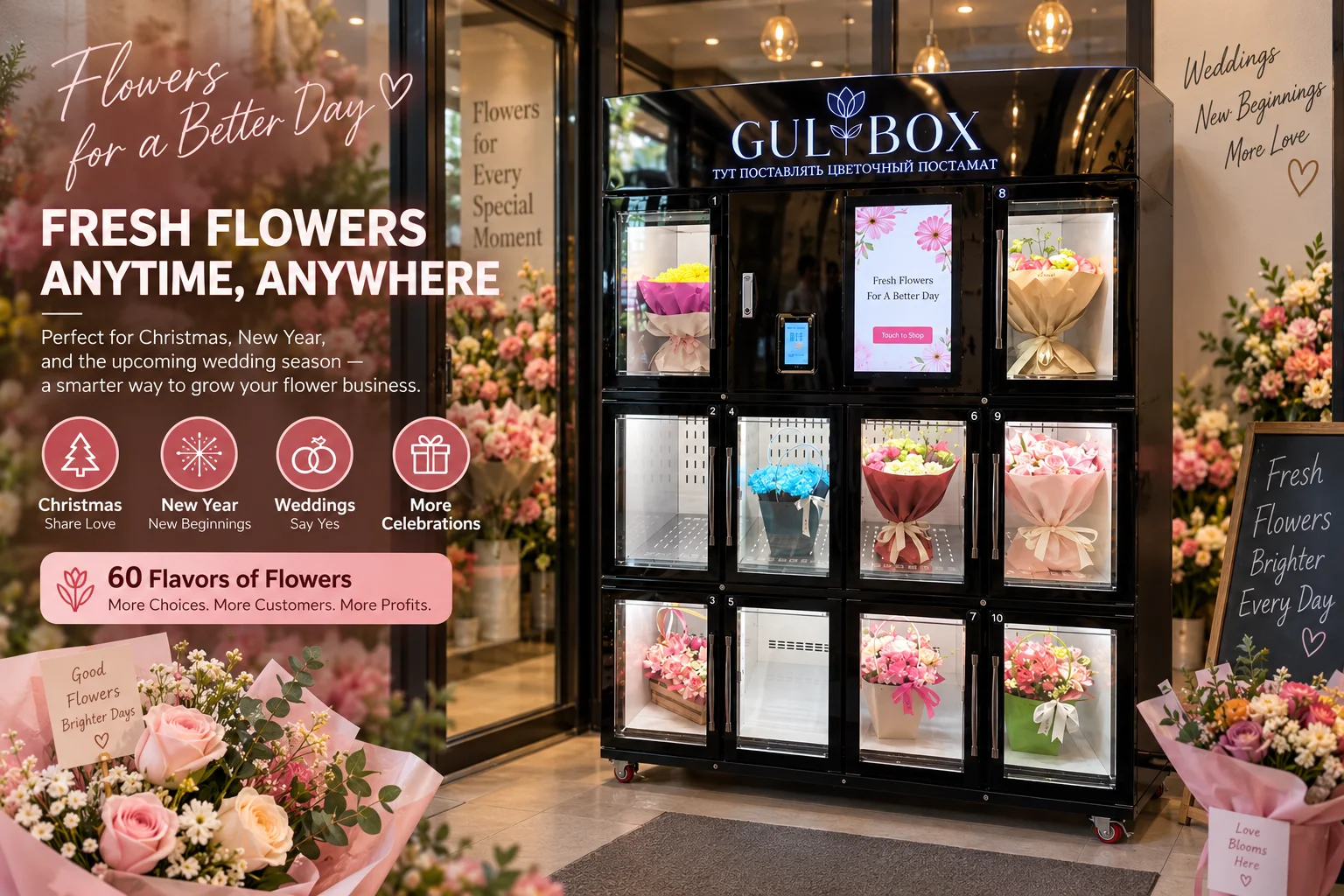
A self-service flower vending machine for bouquets gives customers a visible refrigerated display. Use that display to present the florist's real work: consistent wrapping, clean glass and enough space for buyers to see the bouquet they will receive.
Choose compartments using finished bouquets
Measure the widest and tallest points after wrapping, including handles, ribbons and any water container. Check the door opening as well as the internal dimensions. A bouquet that fits inside can still be difficult to lift out if the wrapping catches on the frame.
For a compact trial, compare a 6 compartment refrigerated flower vending machine. Ask for a loading and collection test with your actual packaging. Six compartments make assortment discipline particularly useful: every position occupied by a slow seller is unavailable for a bouquet customers may want that day.
Check how an empty compartment appears on the screen and how the correct door is identified after payment. If your plan includes reserved orders or prepaid collection, confirm those functions specifically. A self-service purchase function does not automatically establish support for an online order workflow.
Set a freshness standard that staff can apply
Define acceptable condition before loading: sound petals, secure stems, clean wrapping and no leakage into the compartment. Record preparation and loading times so the person servicing the cabinet can make a consistent decision about rotation or removal.
Agree storage settings with your flower supplier for the varieties and packaging being sold. A single temperature or guaranteed number of display days should not be assumed to suit every bouquet. Validate the arrangement under actual site conditions, including lighting, door openings and the interval between service visits.
Ask where temperature is measured and how staff can see changes. Qtech's flower vending machine with remote management lists monitoring for inventory, sales, temperature, machine status and alerts. Pair these records with physical checks; a normal temperature reading cannot tell you whether a particular bouquet has damaged petals.
Replenish according to sales by time and bouquet type
During the pilot, log units loaded, units sold, quality removals and stockouts for each design. Compare ordinary weekdays with weekends and gifting events separately. A holiday sellout is useful evidence for that occasion, but it does not establish the right stocking level for every Tuesday.
For example, suppose a six-compartment cabinet repeatedly sells its two mid-price bouquets before the evening commute while two premium designs remain. Test reallocating one premium position to the popular option. Keep the other conditions similar and compare several normal trading days. Adjust one meaningful choice at a time so the result is understandable.
Plan the route as carefully as the assortment. A location farther from the workshop may need more travel time even if its sales are stronger. Include bouquet preparation, loading, cleaning and returns in the labor calculation. The machine extends selling hours, while the florist still supplies the work behind each sale.
Make the customer comfortable buying without an assistant
Use clear photos or a reliable view of the actual bouquet, visible pricing and brief collection instructions. Test card or mobile payment with the method intended for the local market. Walk through a failed payment and a door that does not open so staff know how to resolve customer problems.
Place the florist's brand and service contact where customers can find them. Include simple care information with the bouquet. This gives the buyer confidence and makes it easier to return to the same florist for a future purchase. Our article on how flower vending machines help florists grow explores how a cabinet can fit into the wider shop business.
Measure a pilot before expanding the route
Review sales together with preparation cost, packaging, rent, payment fees, power, service time and discarded stock. Also record hours when popular bouquets are unavailable. Low waste can be misleading if the cabinet spends much of the day empty.
Once the routine is stable, request a flower vending machine configuration from Qtech using your bouquet measurements, planned assortment, site photos and replenishment schedule. These details help match compartment layout and operating features to the florist's actual working day.