The 2 A.M. Ice Economy: Where an Ice Vending Machine Wins After Everyone Else Closes
A practical 2026 site-selection guide for operators who want to turn heat, traffic and after-hours demand into repeatable ice-and-water sales.
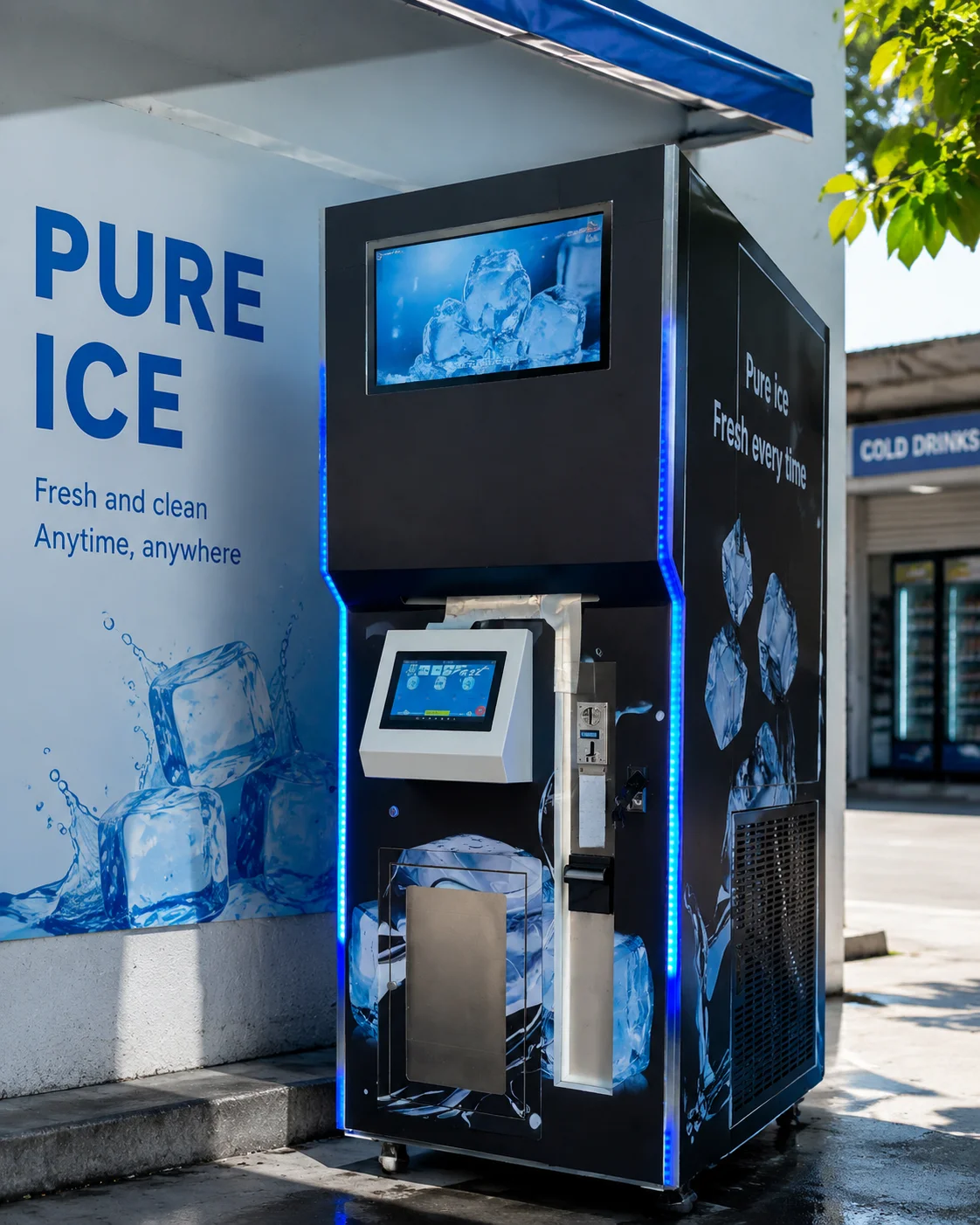
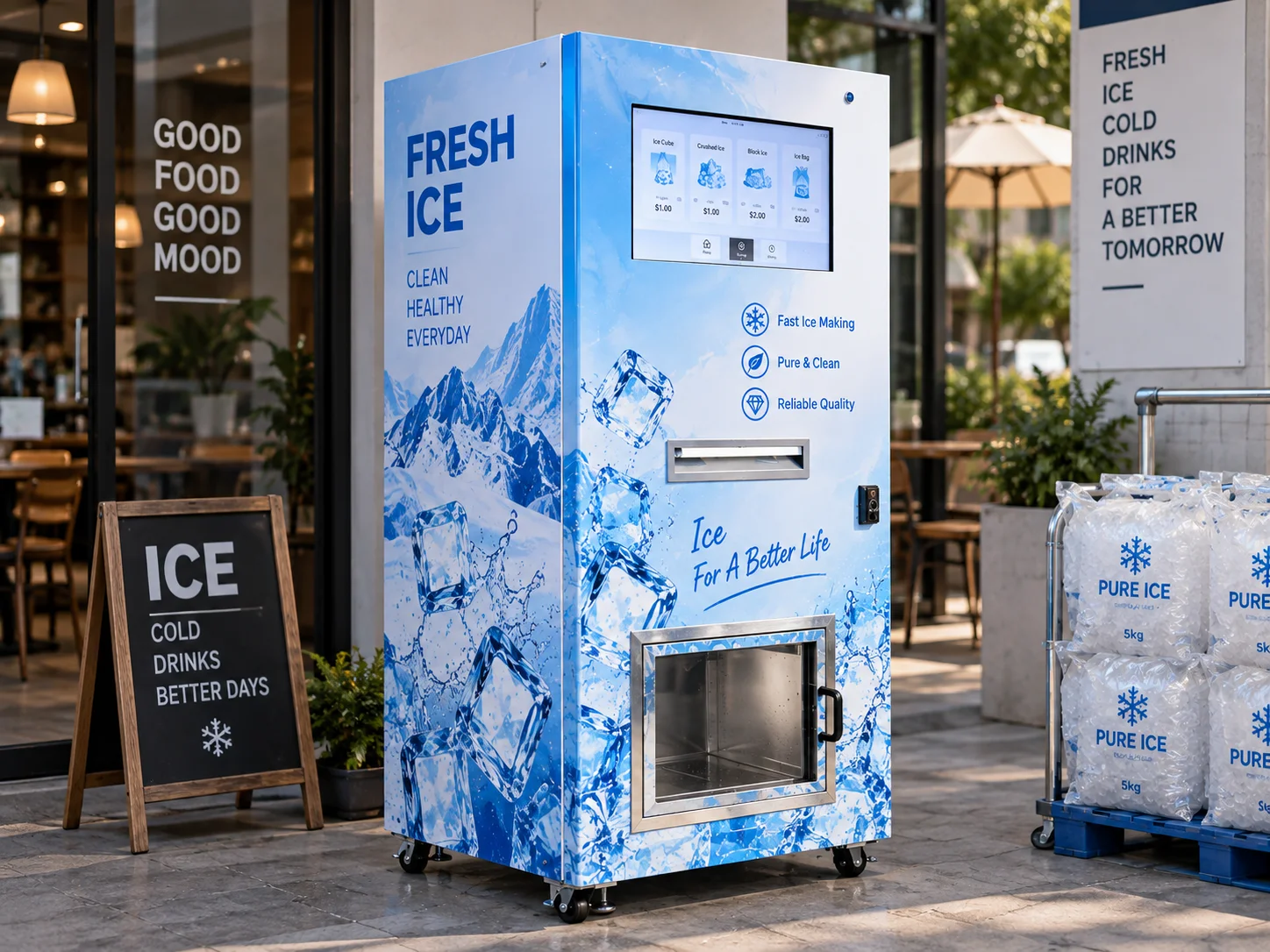
The best ice vending locations are rarely the places with the most people. They are the places where a specific problem arrives on a clock: the cooler is empty before sunrise, the convenience store has closed, the marina is busy, or an event crowd needs more ice now. That is the 2 a.m. ice economy — demand that exists because ordinary retail is too far away, too slow or unavailable.
For an operator evaluating an ice vending machine business in 2026, this changes the first question. Do not ask, "How much traffic does this site have?" Ask, "How often does this traffic urgently need ice, and how few alternatives are open when the need appears?"
1Start with demand moments, not a pin on a map
A promising site combines recurring demand, easy vehicle access and a visible reason to stop. Boat ramps and marinas generate early-morning cooler trips. Campgrounds and RV corridors create weekend and holiday peaks. Fuel stations catch drivers already stopping. Industrial districts can serve crews beginning before shops open. Beaches, sports complexes and event routes turn hot afternoons into high-intent purchases.
Score each candidate location against five signals:
- After-hours gap: Is nearby packaged ice unavailable, unreliable or inconvenient at night?
- Trip compatibility: Can a customer enter, pay, collect and leave without a difficult turn or long walk?
- Heat and seasonality: Does the market have a long warm season, tourism peaks or event-driven surges?
- Repeat behavior: Will the same anglers, contractors, campers or local families return?
- Operational access: Can a service vehicle reach the machine safely for cleaning, filter changes and maintenance?
2Sell trust before you sell convenience
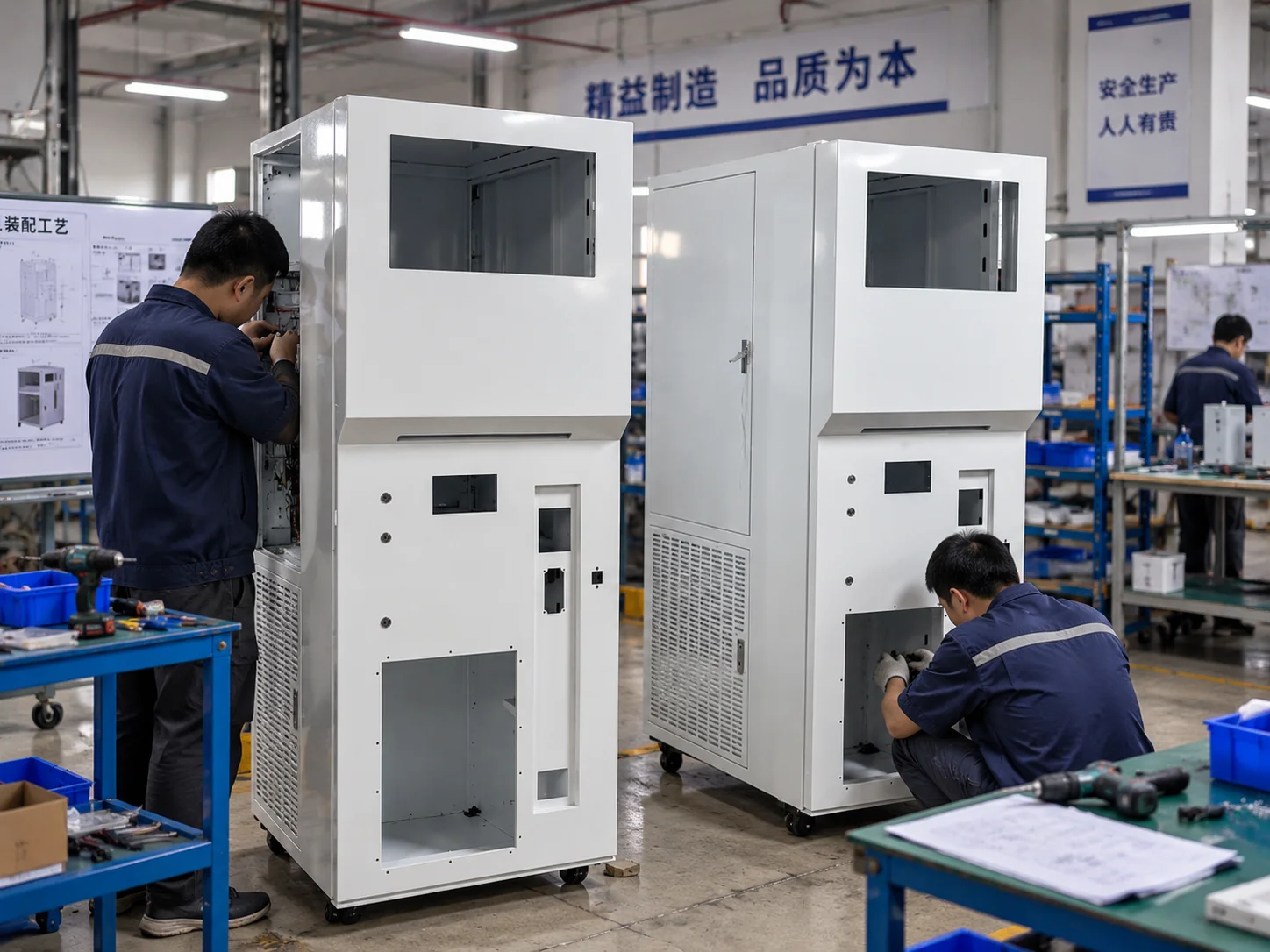
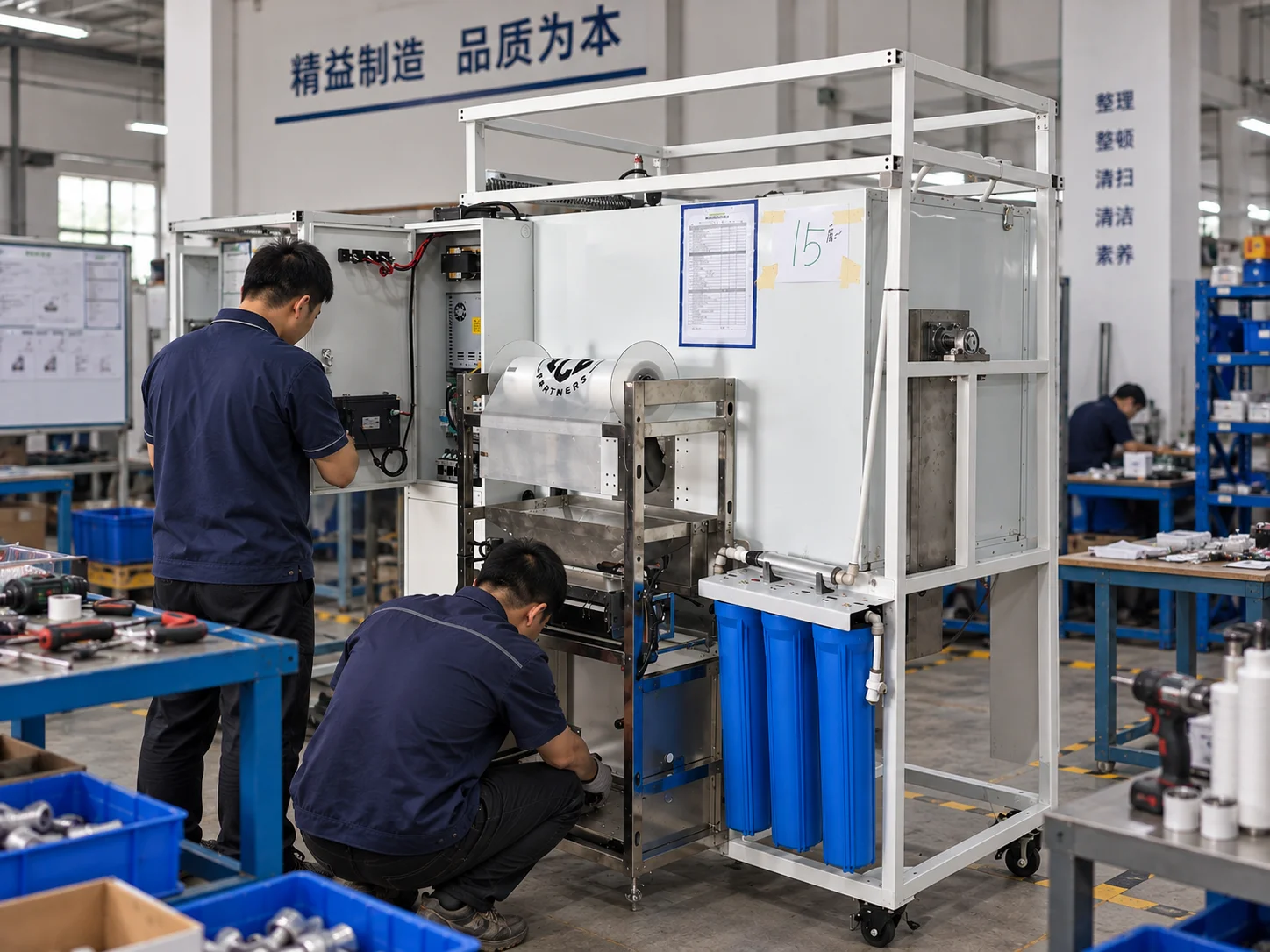
Ice is consumed, so customers judge the machine like food equipment, not like a snack dispenser. A clean enclosure, well-lit pickup area, clear filtration message and visible service contact can matter as much as price. On the product page linked from this article, show the water-treatment stages, sanitation workflow, food-contact materials, cleaning access and any applicable certifications. Avoid vague "pure ice" claims unless you can prove them for the customer's local water and operating conditions.
For operators, the buying checklist should include local plumbing and drainage requirements, water quality, ice type and daily production capacity, bin storage, weather protection, accessibility, surveillance and the permitting authority. Regulations vary by jurisdiction, so the final site plan should be checked with local health, building and utility departments.
3Cashless payment turns a machine into an always-open storefront
A 24-hour promise is weak if the customer needs exact change. Card and mobile-wallet acceptance remove friction for urgent purchases and provide a cleaner data trail. Industry reporting has also shown how central cashless has become to unattended retail. Use the machine dashboard to compare dayparts, transaction value, repeat peaks and failed-payment patterns rather than relying on a monthly total alone.
Remote monitoring is equally important. A low-water alert, temperature anomaly, payment outage or production slowdown can erase the very advantage the location was chosen for. Buyers should ask whether the system can report production, storage level, sales, alarms and component status — and whether alerts are actionable on a phone.
4Calculate capacity around the peak hour
Daily averages can hide a bad customer experience. A site may look profitable across a month but still sell out every Saturday morning. Model the busiest two-hour window, not only the average day. Estimate transactions, bag size or bulk volume, recovery time, storage buffer and the service response required when demand exceeds plan.
A simple feasibility model should include equipment and site work, water and electricity, payment fees, lease or revenue share, filters and sanitation, service travel, insurance, marketing and expected downtime. Treat "ice vending machine cost" as the full installed and operated system — not only the machine quotation.
5Make the location answer obvious online
A buyer who finds this article should immediately see the next step. Link to a location checklist, the relevant ice-and-water machine specification page and a quote form that asks for country, climate, water source, expected daily volume and proposed site type. This lets the sales team answer with the correct configuration instead of starting with generic follow-up emails.
The 2 a.m. ice economy is not built on novelty. It is built on a reliable answer to a time-sensitive need. Choose a site where urgency repeats, remove payment friction, prove hygiene and watch the machine remotely. When those pieces align, "open 24/7" becomes more than a slogan — it becomes the reason customers stop.
Planning an ice vending site? Send us your location type, climate and expected peak-hour demand. We'll recommend a production and storage configuration for your market.