Replacing Bagged Ice Deliveries With Ice Vending at Convenience Stores
Compare on-site ice vending with delivered bagged ice for convenience stores. Plan availability, store workload and backup supply before changing your setup.
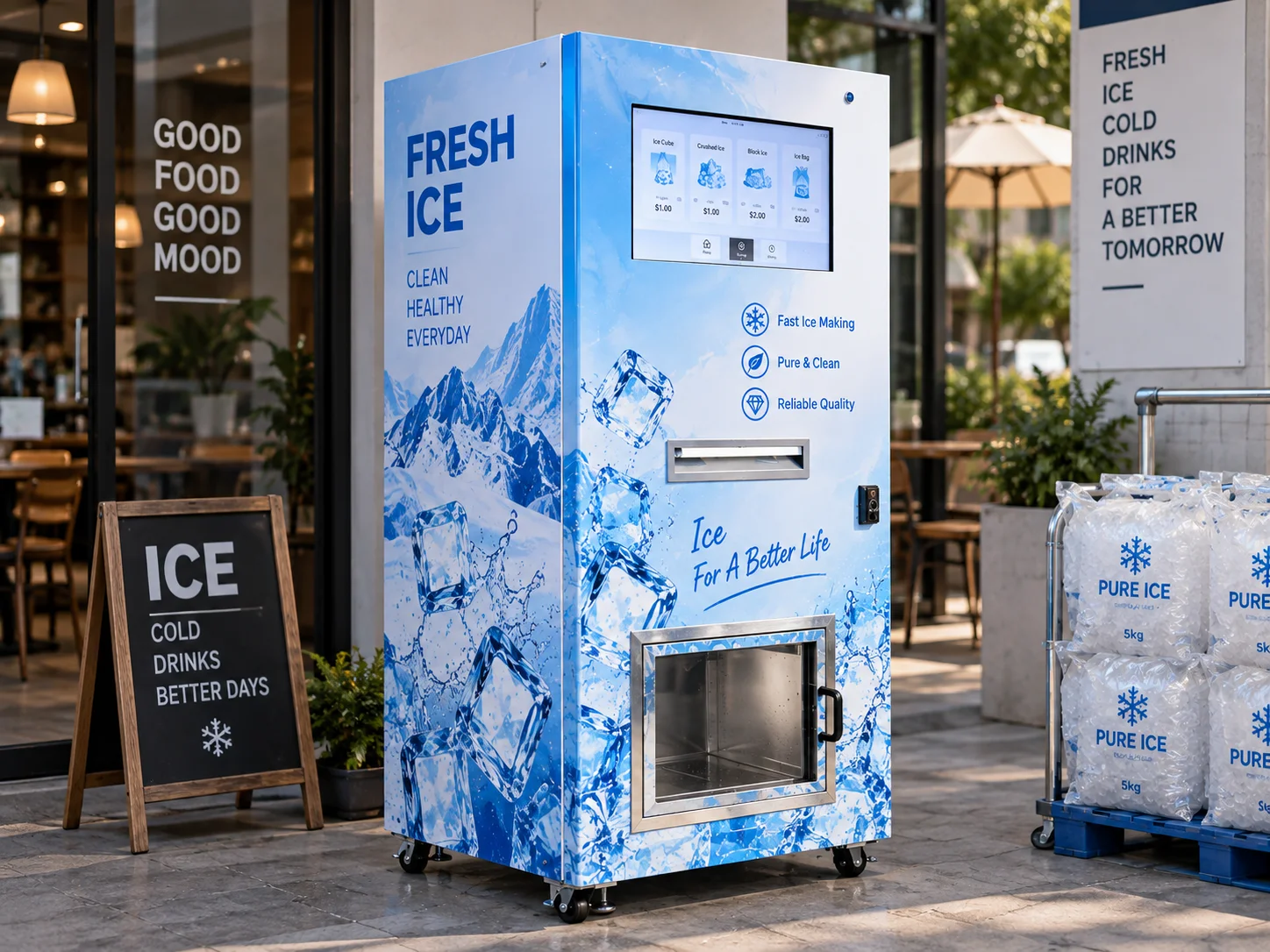
A convenience store can have a full delivery of bagged ice on Tuesday and an empty freezer on Saturday afternoon. Ordering more may avoid one shortage while creating another problem: additional stock has to fit somewhere and someone still needs to receive and manage it. An ice vending machine for convenience stores offers a different supply arrangement by making ice where it is sold. The decision is about how the store will keep serving customers throughout the week.
Separate selling stored bags from making ice on site
An ice merchandiser stores ice supplied from elsewhere. A vending unit may automate the sale of those bags without making any ice itself. An ice-making vending machine includes production as part of the system. These descriptions can appear similar in a quotation, so establish which process the proposed equipment actually performs.
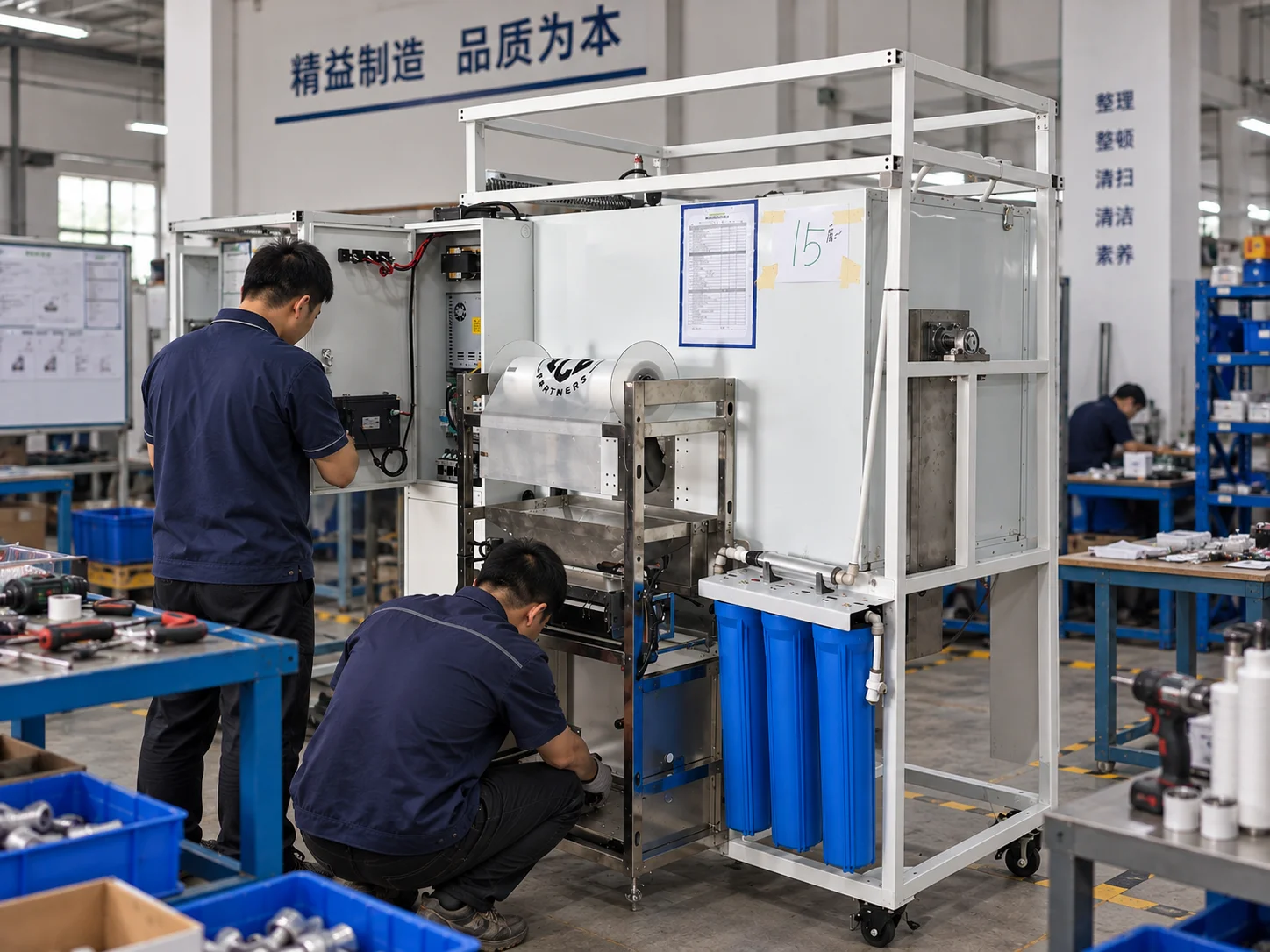
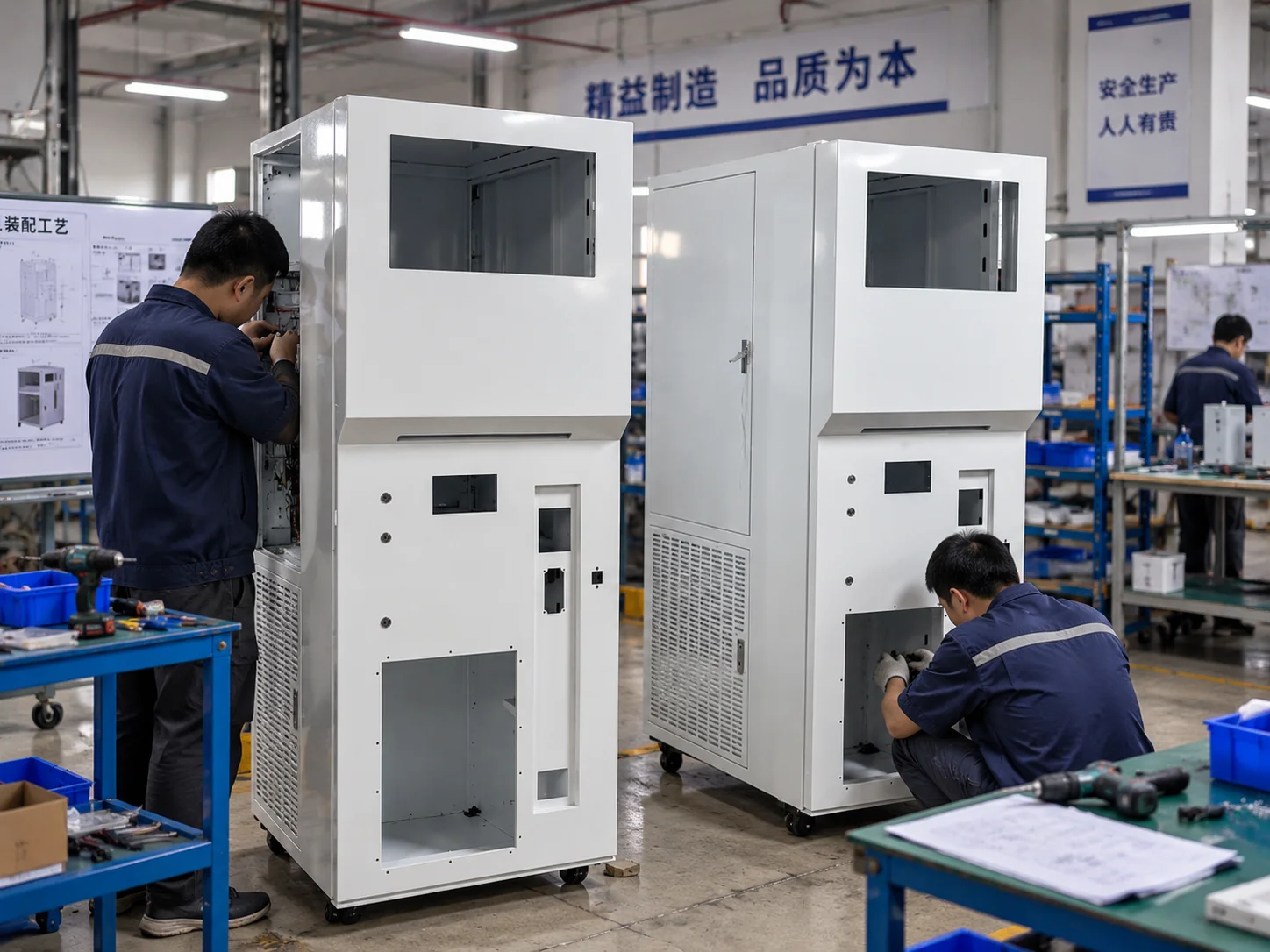
With on-site production, the retailer becomes responsible for a local production asset as well as the retail sale. Water supply, power, operating conditions and servicing become part of the supply plan. Moving production to the store can reduce dependence on routine finished-ice deliveries, but it creates responsibilities that must be assigned.
The Qtech ice-making and vending model combines ice production with sales functions. Ask for the supplied configuration, its utility requirements and a demonstration showing production, storage and the customer purchase process.
Look at the gaps between deliveries
A useful starting record is not just the number of bags sold per month. Note when the freezer was empty, when the next delivery arrived, how frequently staff handled urgent replenishment and whether particular days repeatedly exhausted stock. This helps distinguish an irregular delivery problem from a genuinely undersized supply arrangement.
Consider a store that sells ice steadily during the week but faces a concentrated weekend rush. Local production could help replenish stock between purchases, while storage provides the immediate buffer. Neither feature can be assessed from monthly sales alone. Record the periods when customers actually ask for ice and the quantity available at those times.
For the production and storage calculation, use our ice vending machine capacity guide. Keep that sizing exercise separate from the question of who will operate and service the machine.
Decide what changes for store staff
A self-service sale may remove some counter handling, but the equipment still needs a named operator. Assign responsibility for routine inspection, approved cleaning, replacement consumables, checking customer messages and arranging technical support. State whether those tasks belong to store staff, a vending operator or a service partner.
If an outside operator owns the machine, agree who pays for utilities, who receives fault notifications and who handles refunds. If the store owns it, identify a staff member and a backup who understand the operating instructions. Ambiguous ownership becomes most visible during a busy shift, when everyone assumes someone else is dealing with the problem.
Plan how ice customers move around the store
An exterior machine may let a customer collect ice without joining the checkout queue, subject to site access and the equipment's suitability. It may also change which customers enter the shop. Position the machine so people can understand the offer and carry their purchase safely without blocking doors, deliveries or vehicle routes.
Judge the installation as part of the whole store. A good place for an advertising sign may be a poor place to collect a heavy purchase or open a service panel. Include staff access and equipment clearances in the layout, and confirm installation requirements for the selected site.
Our ice vending location guide provides a broader framework for evaluating the demand at fuel stations and other retail locations. For an existing store, use your own customer movements and sales records to refine the assessment.
Keep a fallback during the changeover
Avoid treating installation day as proof that the new supply arrangement is ready for every trading condition. Run a pilot through ordinary days and a relevant busy period. Decide how the store will serve customers during a service interruption, a water or power problem, or demand beyond the tested capacity.
Depending on the site, a temporary delivered-ice arrangement or another agreed supply source may be useful during the pilot. Check whether any existing supply or equipment agreement affects the change. Define the point at which the pilot has demonstrated enough reliability to adjust the backup arrangement.
Assess the operating result rather than one headline number
Review unavailable selling hours, completed purchases, service visits, staff time and customer problems alongside sales. Compare the work involved in receiving and handling delivered ice with the work involved in operating the proposed machine. Include the actual installation and service requirements before deciding that one arrangement is simpler.
A successful change should have a clear owner, a workable response process and enough ice available when the store needs it. The right answer may be on-site production, an improved delivery arrangement or a planned combination during the transition.
Ask Qtech to review your convenience store ice supply requirements. Share the current delivery pattern, periods of lost availability, site photographs and utility details. This gives the discussion a useful starting point beyond the equipment price.
Frequently Asked Questions
That depends on the machine, demand and operating conditions. Test the proposed supply arrangement and define a backup before relying on it for all ice sales.
The store needs a clear service arrangement, but that need not mean employing a full-time technician. Agree which tasks trained staff can perform and which require qualified service support.